_edited.png)
Achieve a Balanced Look with Hairline Lowering
When you look in the mirror, does your hairline feel like it’s too high or uneven? You’re not alone. Many people want a more balanced, natural hairline that complements their face. That’s where hairline lowering techniques come in. These methods can help you achieve a look that feels right for you, boosting your confidence and enhancing your overall appearance.
Understanding Hairline Lowering Techniques
Hairline lowering techniques are designed to bring your hairline down to a more flattering position. This can make a big difference in how your face looks. A high hairline can sometimes make the forehead appear larger than you want. Lowering it can create better facial harmony.
There are several ways to approach this. Some techniques involve surgical methods, while others use less invasive options. The choice depends on your goals, hair type, and budget. Here’s a quick overview of the most common techniques:
Surgical hairline lowering: This involves removing a strip of skin from the forehead and advancing the scalp forward. It’s a permanent solution but requires recovery time.
Hair transplant: Hair follicles are moved from one part of the scalp to the hairline area. This can fill in sparse areas and lower the hairline gradually.
Non-surgical options: These include scalp micropigmentation or hair fibers that create the illusion of a lower hairline without surgery.
Each method has its pros and cons. The key is to find the one that fits your lifestyle and desired outcome.
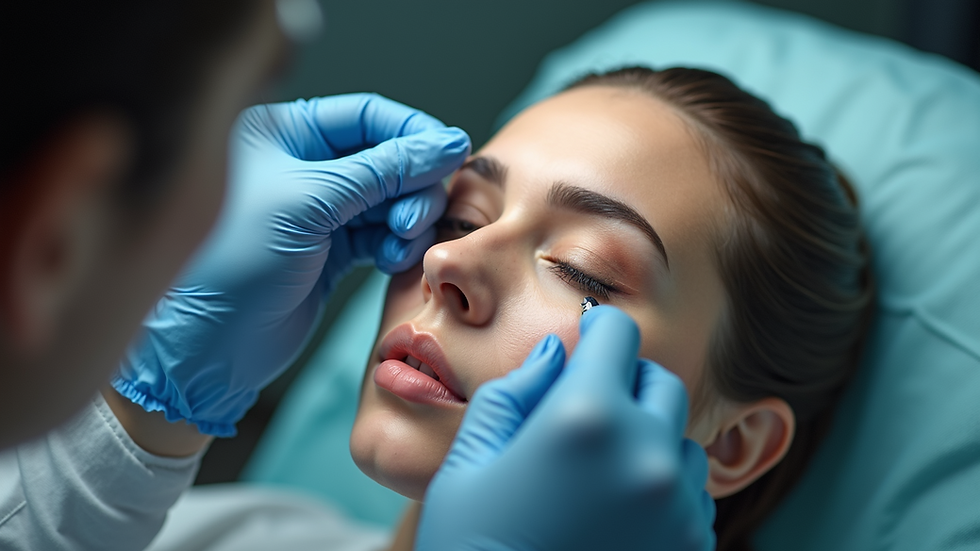
How Hairline Lowering Techniques Can Transform Your Look
Lowering your hairline can do more than just change where your hair starts. It can reshape your entire face. When done right, it balances your features and enhances your natural beauty.
For example, if you have a high forehead, lowering your hairline can make your face look more proportionate. It can also soften your overall appearance, making you look younger and more refreshed. This is especially true if you combine hairline lowering with eyebrow or beard restoration.
Here’s what you can expect from a successful hairline lowering technique:
Improved facial symmetry: A balanced hairline complements your eyes, nose, and mouth.
Youthful appearance: A lower hairline often gives a more youthful look.
Boosted confidence: Feeling good about your hairline can improve your self-esteem.
Natural results: Modern techniques focus on creating a hairline that looks natural and suits your face shape.
If you’re considering this, it’s important to consult with a specialist who understands your unique needs. They can recommend the best approach for you.
Choosing the Right Hairline Lowering Technique for You
Selecting the right technique depends on several factors. Your hair type, skin elasticity, and the extent of hairline lowering you want all play a role. Here’s how to decide:
Assess your hair and scalp condition: Thick, healthy hair might respond well to transplants. Thin or fragile hair may require different methods.
Consider your lifestyle: Surgical options need downtime. If you prefer minimal disruption, non-surgical methods might be better.
Set realistic goals: Understand what each technique can achieve. Some methods offer subtle changes, while others provide dramatic results.
Consult a professional: A qualified specialist can evaluate your hairline and recommend the best plan.
Remember, the goal is a balanced look that feels natural. Don’t rush the decision. Take time to explore your options.

What to Expect During and After the Procedure
If you decide to go with a surgical or transplant method, knowing what to expect can ease your mind. The hairline lowering procedure typically involves several steps:
Consultation: Your doctor will discuss your goals and examine your scalp.
Preparation: On the day of the procedure, your scalp will be cleaned and numbed.
Procedure: Depending on the technique, the surgeon will either remove skin or transplant hair follicles.
Recovery: You may experience some swelling or redness. Follow your doctor’s care instructions carefully.
Recovery times vary. Surgical hairline lowering might require a week or more of downtime, while transplants usually have a shorter recovery period. Non-surgical options often have no downtime at all.
Post-procedure care is crucial. Avoid strenuous activity, keep the area clean, and attend follow-up appointments. This ensures the best results and reduces the risk of complications.
Maintaining Your New Hairline for Long-Term Success
Achieving a balanced look is just the beginning. Maintaining your new hairline is essential for lasting satisfaction. Here are some tips to keep your hairline looking great:
Follow your doctor’s advice: Use recommended shampoos and avoid harsh chemicals.
Protect your scalp: Wear hats or sunscreen to prevent sun damage.
Eat a healthy diet: Nutrients like biotin, zinc, and vitamins A and E support hair health.
Avoid stress: Stress can contribute to hair loss, so find ways to relax.
Schedule regular check-ups: Keep in touch with your specialist to monitor your hairline.
If you notice any changes or concerns, don’t hesitate to reach out for professional advice. Early intervention can prevent further hair loss.
Hairline lowering techniques can be life-changing. With the right approach and care, you’ll enjoy a balanced, natural look that lasts.
Ready to explore your options? A consultation can help you understand which hairline lowering technique suits you best. Take the first step toward a more confident you today.


Comments